Notes From a Gender Equality Meeting on Campus
We presented our visibility findings to a campus equality group and learned how everyday university life shapes who gets cited.
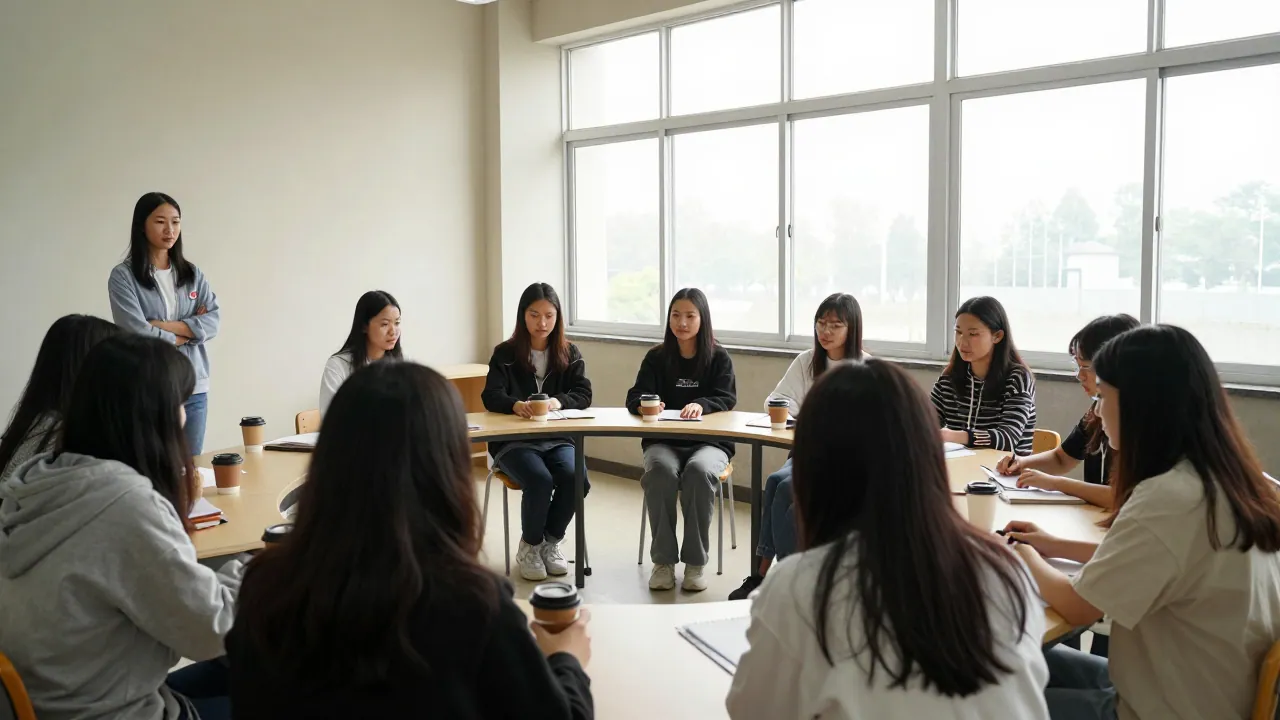
On a gray Tuesday in late October, we carried a folder of citation charts into a conference room in the student union. The campus gender equality group had invited us to share what we found when we looked at authorship and citations in sport economics and management journals. Twelve people sat around the table: two faculty members, a department administrator, three graduate students, and six staff from the equality office. We had twenty minutes. The conversation that followed lasted an hour and changed how we think about our own data. What we heard was not a list of complaints but a map of everyday university life.
We had prepared slides showing what we learned from analyzing publications in three sport management journals from 2006 to 2020. The pattern was clear: articles with a higher share of women coauthors tended to be cited more in one journal, but women were less likely to appear as first or last authors overall. We thought the numbers would speak for themselves. They did, but not in the way we expected.
What the charts could not show
A graduate student in sport sociology raised her hand early. She said the citation data matched her experience but missed the reason. She described trying to finish a manuscript while covering three discussion sections and serving on a departmental committee that met at 7 a.m. Her coauthors, both men with no service obligations that semester, had more uninterrupted writing time. The citation gap, she suggested, starts long before a paper is published.
A faculty member in sport management nodded. She noted that her own citation record looked strong on paper, but that she had turned down two invited coauthorships that year because they came with no clear credit agreement. She worried about being the silent third author on a paper that would take months of work. The room went quiet. We realized our charts showed outcomes, not the decisions behind them.
We keep measuring the publication, but the real story is in the calendar. Who has time to write, and who is expected to say yes to everything else?
That comment stayed with us. Later, we looked at our own workshop planning and asked whether we were doing enough to help early-career women protect writing time. It is one thing to read a dataset, another to read a citation count without overreading it. But the meeting reminded us that data is only a starting point.
The map of a semester
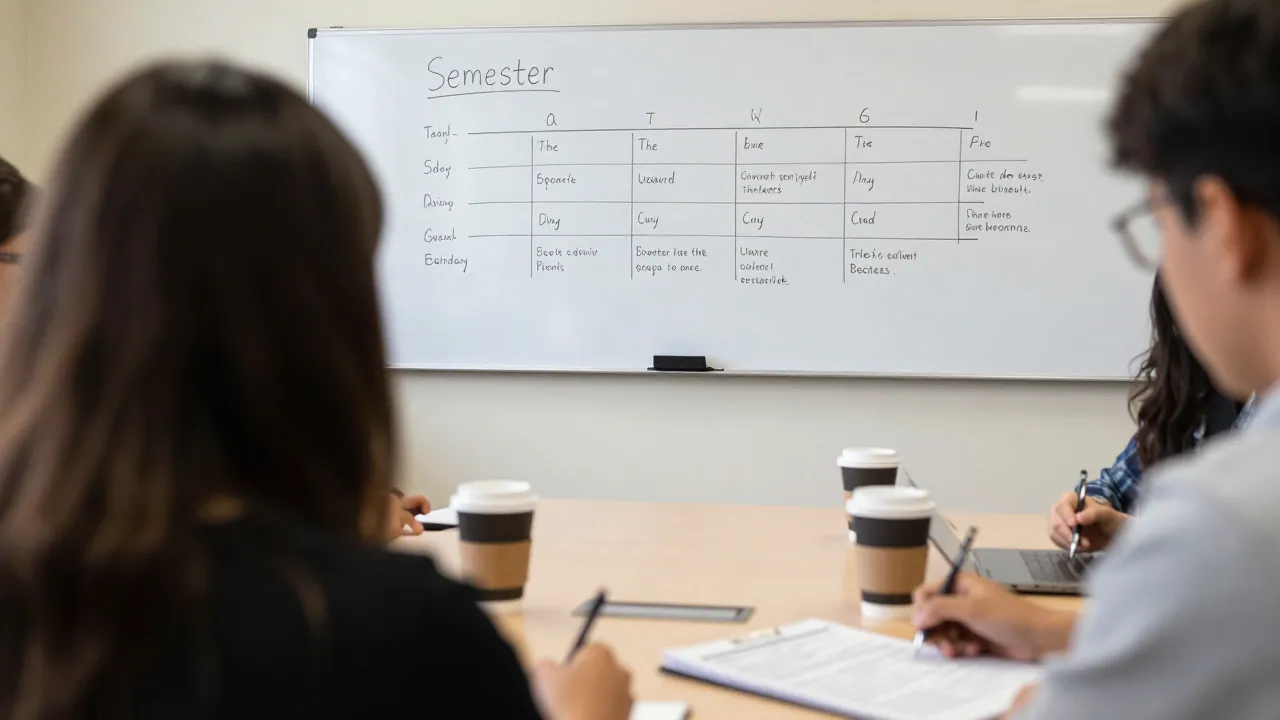
The equality group asked us to sketch what a typical semester looks like for a woman assistant professor in sport economics. We drew a timeline on the whiteboard: teaching load, advising, committee meetings, conference deadlines, and the invisible work of mentoring students who seek out women faculty. The group added details we had not considered, like the extra emails that come with being the only woman on a search committee, or the informal networking that happens at evening events when caregiving responsibilities pull people home.
One staff member from the equality office pointed out that these patterns are not unique to sport fields. But she said our discipline has a particular challenge: the small size of the field means there are fewer potential coauthors and mentors. Women in sport academia often know each other across institutions, which can be a strength for collaboration, but also a burden when everyone is asked to do more because there are so few of them. That insight connected directly to our work on why publication visibility matters for women in sport academia.
Small changes the group suggested
The second half of the meeting was practical. The group did not want a list of problems. They wanted to know what could change by next semester. We left with four suggestions that were specific enough to try:
- Hold a monthly writing session in the department library, with childcare reimbursement available through the equality office.
- Create a one-page credit agreement template that coauthors fill out before starting a paper, listing expected hours and author order.
- Ask seminar speakers to share not just findings but also how they protected writing time during the semester.
- Track service requests by gender in the department for one year, without naming individuals, to see who is asked to do what.
We did not promise to implement all of them, but we took notes and asked who else should be in the room. The graduate student suggested inviting the department chair. The faculty member suggested inviting a journal editor. The equality office offered to host a follow-up lunch in January. It felt like the beginning of something, not the end of a presentation.
What we took back to our desk
The meeting did not change our findings. The citation patterns we presented are still there in the data. But it changed how we talk about them. When we prepare a teaching case for a room of students, we now start with the calendar, not the citation count. We ask students to map their own semester and notice where writing time disappears. Then we look at the charts. The numbers make more sense that way.
We also learned that presenting to a campus equality group is not a one-way transfer of knowledge. They gave us a better understanding of the local context that no dataset can capture. For us, this is the heart of field notes on how sport economics actually works: the gap between what we measure and what people live. We will keep going back to that room.
Questions people ask
What was the main finding you presented at the meeting?
We showed that in one sport management journal, a higher share of women coauthors was linked to more citations, but women were less likely to be first or last authors across the sample.
Did the group agree with your findings?
They did, but they added context. They pointed out that teaching loads, service work, and caregiving responsibilities shape who has time to write and who gets cited.
What practical steps came out of the discussion?
The group suggested monthly writing sessions, a credit agreement template for coauthors, tracking service requests by gender, and inviting seminar speakers to share how they protect writing time.