Short articles on research, teaching, publishing and conference life in sport academia.

Citation counts travel easily. They appear on profiles, in promotion files, and in hallway conversations, often stripped of the context that makes them meaningful. We wrote this guide for women in sport economics, sport management, and sport sociology who want to use these numbers wisely, whether you are reviewing a colleague's file or preparing your own. You will learn what citation data can and cannot show, and you will get a short list of checks to run before you form an opinion. If you have ever felt uncertain about what a number means, you are not alone. Start with what publication visibility really means…
Early-career women in sport economics, sport management, and sport sociology often tell us the same thing: they want a workshop that respects their time and gives them something they can use on Monday. This guide is for the person who has been asked to organise one, or who volunteered and now has a date on the calendar. We will walk through shaping a two-day workshop with a narrow theme, timing sessions around teaching loads, and building in peer feedback that people actually value. You do not need a big budget or a famous keynote speaker. You need a clear purpose…
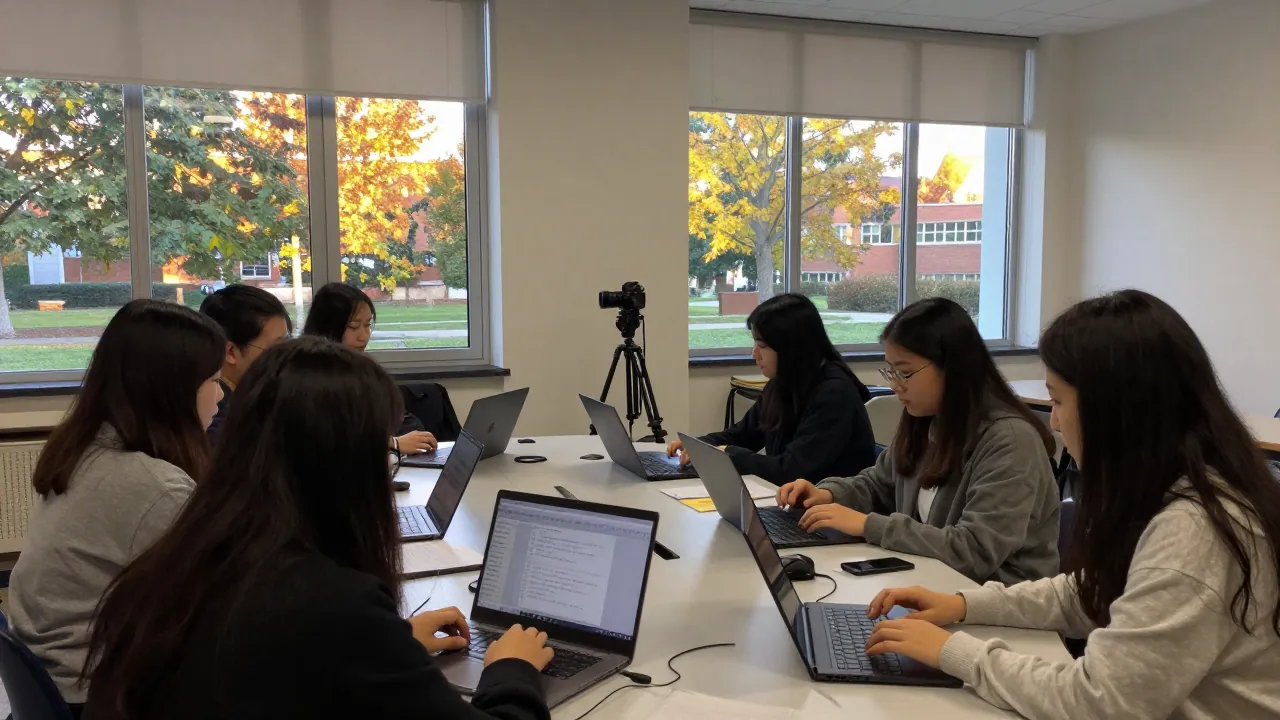
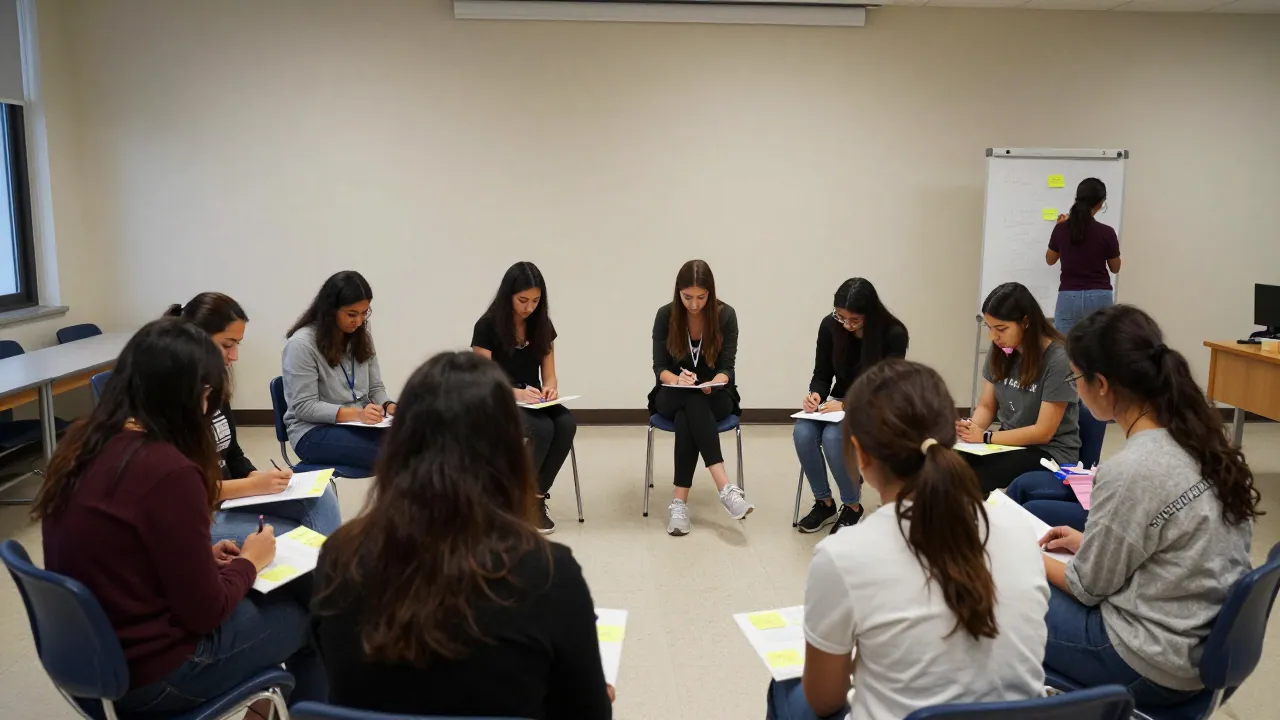
Wisems will run its first workshop season this fall, with three sessions between late September and early December. The series is open to women researchers and teachers working in sport economics, sport management and sport sociology, and it is built around the questions we heard most often in our first year of conversations with early-career scholars. Each session runs about two hours, mixes a short presentation with small-group work, and leaves time for people to keep talking after the formal part ends. Two sessions will be held online so that colleagues outside the US can join without travel. The third…
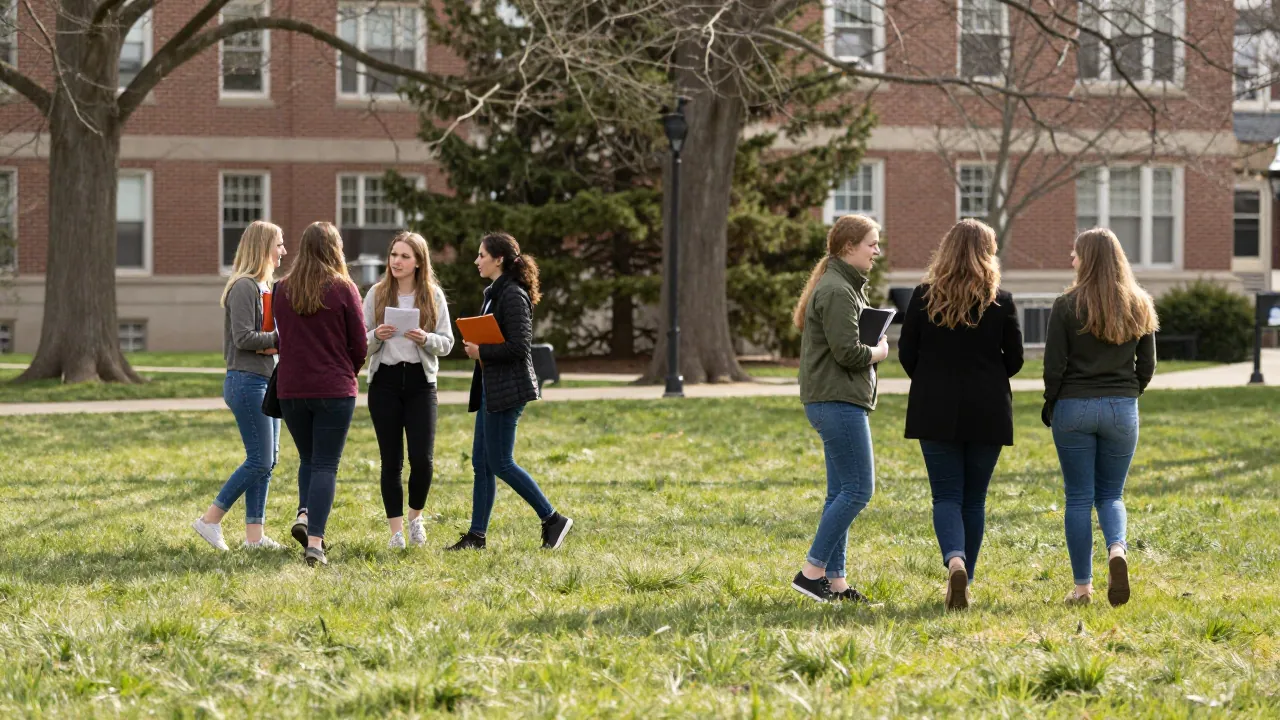
We opened our first mentoring round in January with more sign-ups than we had mentors for. Twenty-two pairs met at least three times between February and May, mostly online, with a few meeting on campus. We asked both mentors and mentees to fill out a short check-in after each conversation, and we read every response. The picture was clear: the pairs valued regular contact and concrete tasks, and struggled when goals were vague. We are adjusting the format for the next round, and we want to share what we saw first. If you are thinking about joining as a mentor…
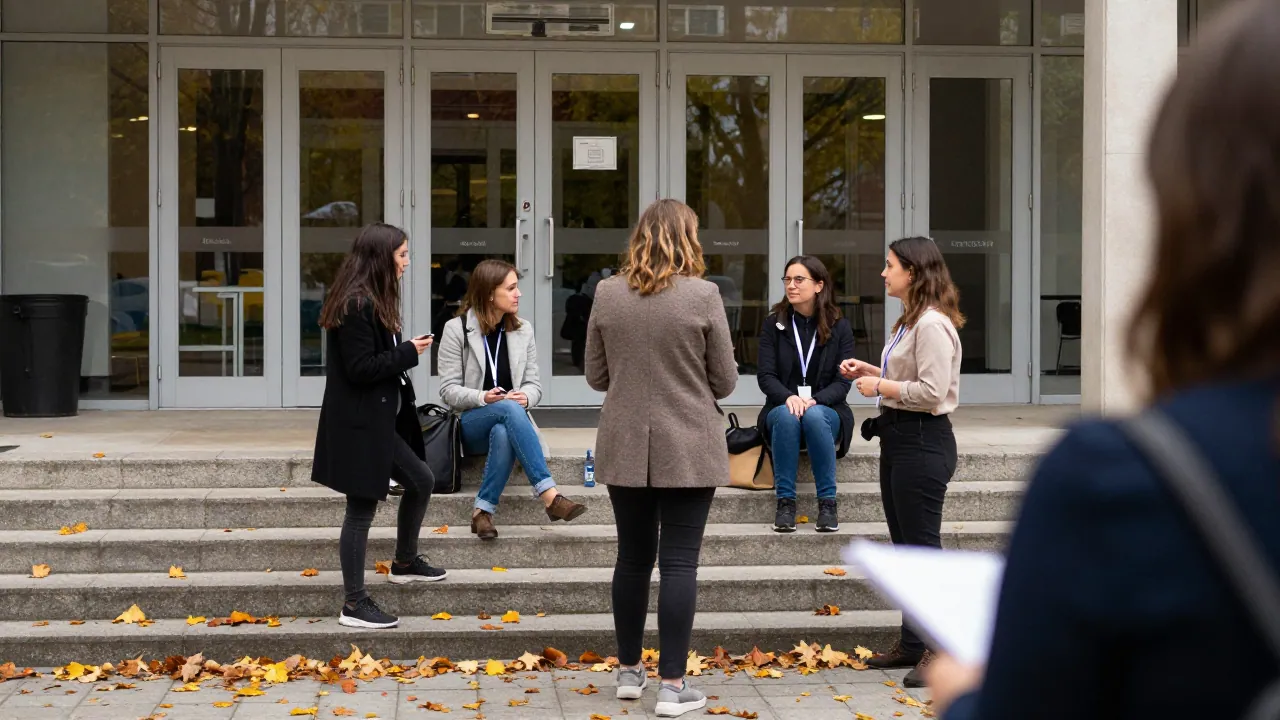
In late October, we gathered in a small conference room on a university campus in the Midwest for a session we had been preparing since spring. The aim was simple: share what we learned from a survey on how academics in sport economics, sport management and sport sociology perceive leadership fit, and listen carefully to the questions that followed. The room held about thirty people, a mix of early-career researchers, mid-career faculty and a few department chairs. We had one hour, a slide deck, and a printed handout with the survey questions. What we got back in return was a…
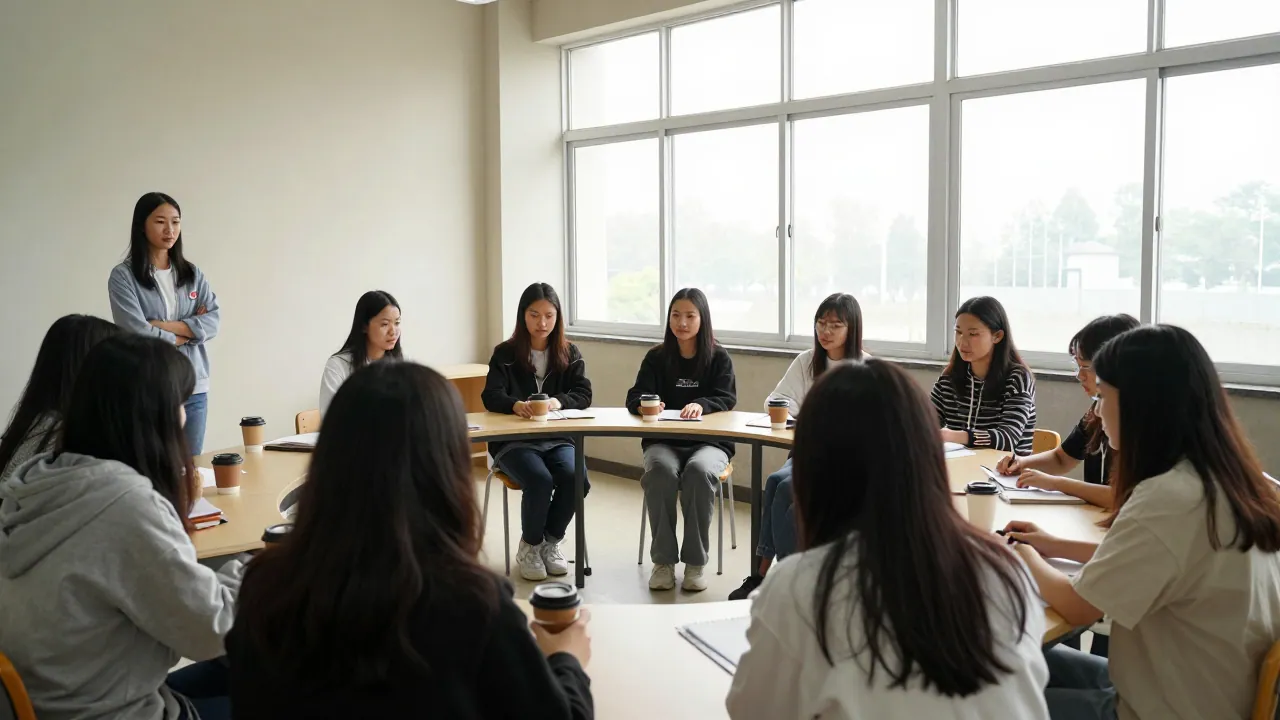
On a gray Tuesday in late October, we carried a folder of citation charts into a conference room in the student union. The campus gender equality group had invited us to share what we found when we looked at authorship and citations in sport economics and management journals. Twelve people sat around the table: two faculty members, a department administrator, three graduate students, and six staff from the equality office. We had twenty minutes. The conversation that followed lasted an hour and changed how we think about our own data. What we heard was not a list of complaints but…

When we ask early-career women in sport academia what holds them back, the answer is rarely about the quality of their work. It is about whether anyone sees it. Publication visibility is the sum of small decisions: who appears as first author, which journal the paper lands in, whether colleagues cite it, and whether the person behind it gets invited to the next panel. None of these decisions is dramatic on its own. Together they decide whose name circulates in a field. In this explainer we unpack the mechanics, and we point to what our own citation work has shown…
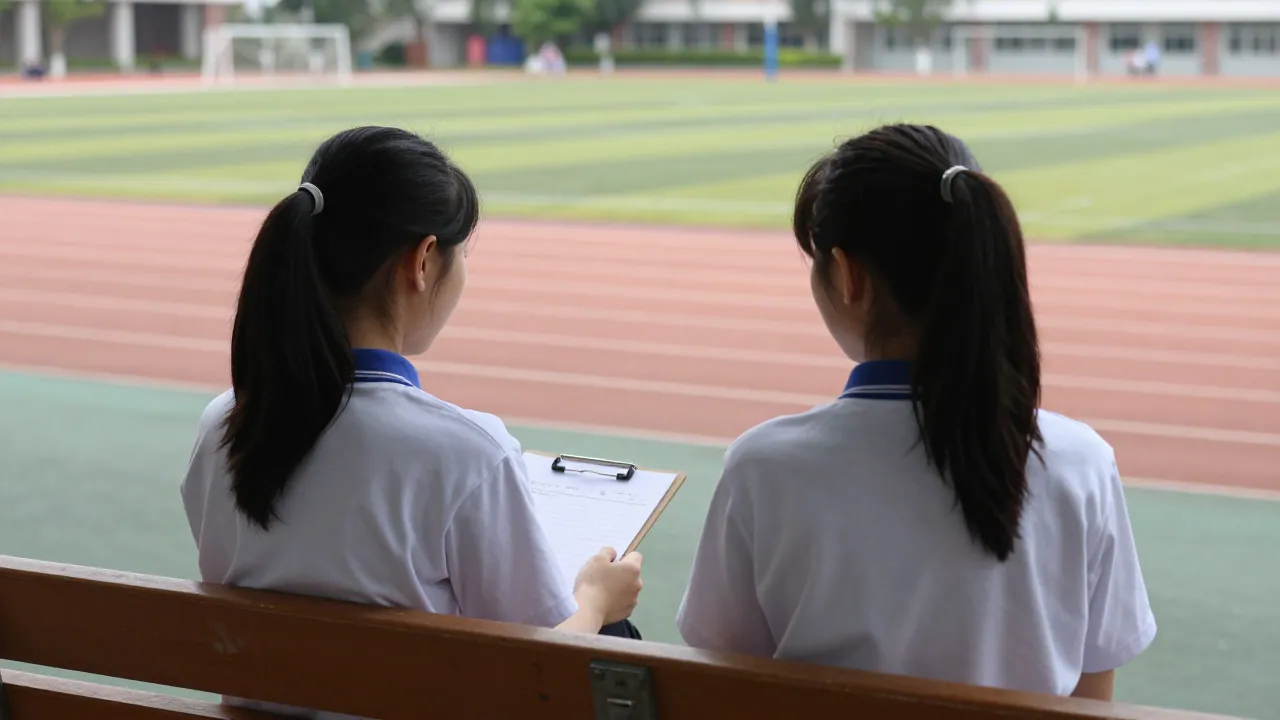
We sat down with a sport management researcher to talk about how she moved from student to mentor. She described the choices that shaped her early career, the setbacks she met along the way, and the people who helped her stay in the field. She also explained why she now mentors younger women and what she has learned from those relationships. Her story is part of our People Stories series, where women in sport academia share practical lessons from their own paths. The conversation has been edited for length and clarity.

Finding a research voice is not a single moment. It is a series of small decisions: which question to pursue, which room to speak in, which feedback to take seriously. We spoke with three women in sport economics, sport management and sport sociology at different career stages about how they settled on their topics and built the confidence to present them. Their paths differ, but each describes a similar shift from waiting to be ready to speaking from where they stand. Their accounts echo what we hear in our mentoring pairings and at our workshops.

Between 2006 and 2020, we analysed publications and citations in nine sport economics, management, and sociology journals. We wanted to see whether women's work was cited at similar rates to men's and where gaps might appear. The data showed a persistent gap in average citations per article, even after accounting for journal and year. But the gap narrowed in journals with more women on the editorial board. We also found that articles with women as first authors were less likely to be cited in review articles. These patterns matter for visibility, and they shaped how we designed our later workshops…