Presenting Role-Fit Findings at a Fall Conference
We shared survey results on how academics perceive leadership fit, and the questions that followed were as useful as the findings.

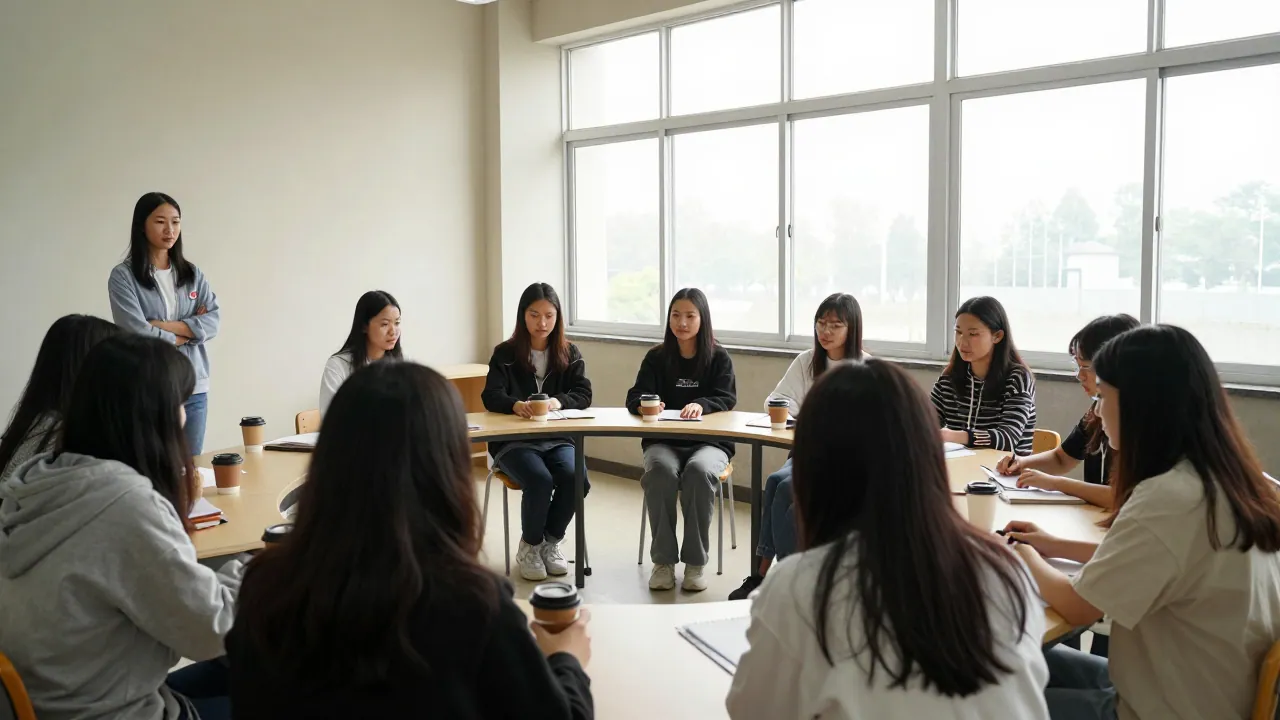
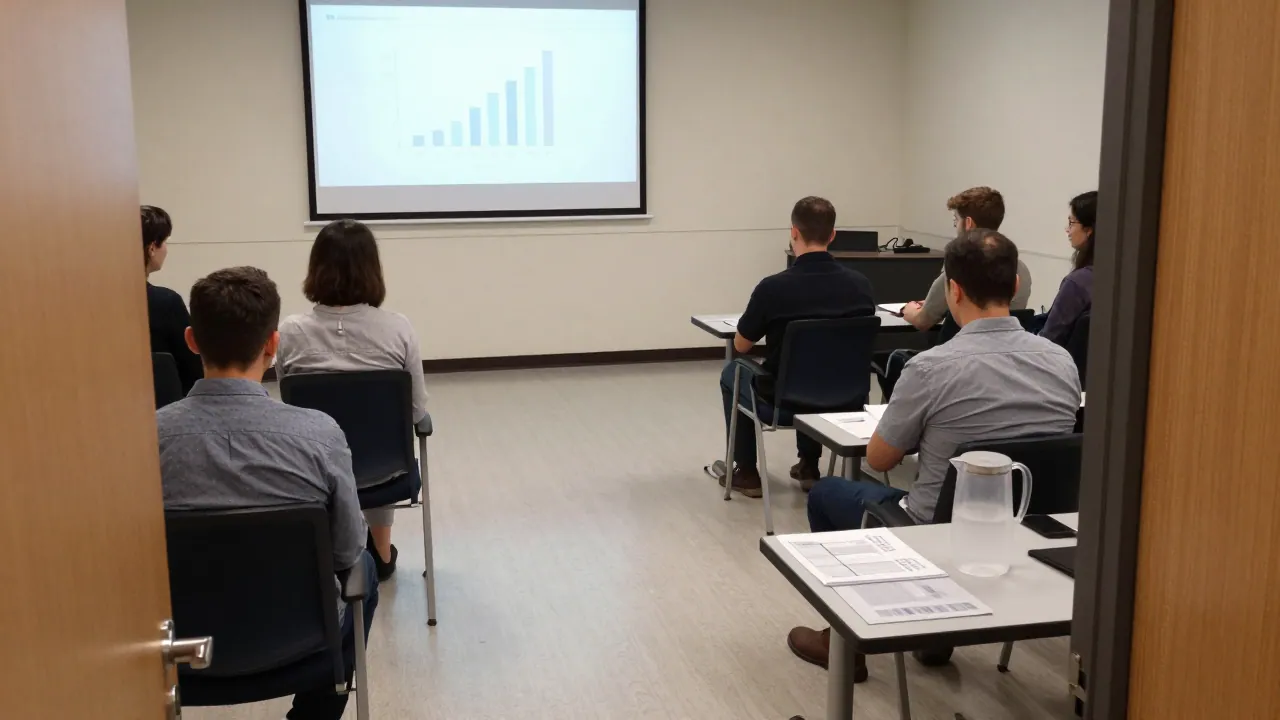
In late October, we gathered in a small conference room on a university campus in the Midwest for a session we had been preparing since spring. The aim was simple: share what we learned from a survey on how academics in sport economics, sport management and sport sociology perceive leadership fit, and listen carefully to the questions that followed. The room held about thirty people, a mix of early-career researchers, mid-career faculty and a few department chairs. We had one hour, a slide deck, and a printed handout with the survey questions. What we got back in return was a set of practical challenges and new angles we had not fully anticipated. You can read more about the survey itself in our earlier piece on why publication visibility matters.
Setting the scene
The session was part of a larger fall conference that brings together researchers and teachers from across the field. Our slot was on the second afternoon, after a long morning of parallel sessions. We had asked for a room with movable chairs, and we got one, which mattered because we wanted people to turn to each other during the discussion. The handout had three sections: the survey questions, a one-page summary of the results, and a blank space for notes. We opened with a short reminder of why we started this work. In our first workshop season, several participants told us that leadership fit felt like a vague idea that was hard to pin down. We wanted to test whether that was a shared experience.
What we shared
The survey ran over the summer and gathered responses from 74 academics in the three subfields. We asked how they defined leadership fit, what factors they thought mattered most when stepping into a leadership role, and whether they had seen fit discussed openly in their departments. The results were not shocking, but they were clarifying. Most respondents described fit as a mix of research profile, teaching load and service expectations, rather than a single quality. Many said they had never seen a formal conversation about fit in their own department. We presented the findings in three short blocks, each followed by a discussion prompt. The first block covered definitions, the second covered the factors people ranked highest, and the third covered what people said they needed but did not have. You can find the full data set behind these numbers in our piece on what citation data showed across nine sport journals.
The questions that followed
The discussion was the best part. The first question came from a department chair who asked how we defined "fit" in the survey so that people were answering the same question. We explained that we gave a short definition on the first page and then asked people to describe fit in their own words. That answer led to a longer conversation about whether fit should be measured against a written job description or against the culture of a department. A second question came from an early-career researcher who wanted to know whether the findings differed by career stage. We had looked at that, and the differences were smaller than we expected, though early-career respondents were more likely to say they had no clear picture of what leadership involved. A third question asked whether we planned to share the survey instrument. We do, and we have since posted a clean version on our site. You can read more about the mentoring side of this work in what we learned from our first mentoring pairings.
- How did you define leadership fit in the survey?
- Do the results differ by career stage or subfield?
- Will you share the survey questions so others can use them?
- What would you do differently if you ran this again?
- How can departments use these findings without overinterpreting them?
The room did not want a tidy summary. They wanted to know how to take the findings back to their own departments and test them against what they see every day.
What we took away
We left with three practical notes. First, the definition of fit needs to be front and center in any future survey or workshop, because people carry very different assumptions about what the word means. Second, the discussion format worked well: short blocks of findings followed by a prompt gave people time to think and then talk. Third, several attendees asked for a short guide they could use in their own departments, which we are now drafting. We are also planning a follow-up workshop in the spring that will focus on how to run a conversation about fit without turning it into a performance review. If you are preparing something similar, our notes on how to read a citation count without overreading it may be a useful companion for the data side.
Questions people ask
What was the survey about?
It asked academics in sport economics, sport management and sport sociology how they define leadership fit and what factors matter most when considering a leadership role. It ran over the summer and received 74 responses.
Will you share the survey questions?
Yes. We have posted a clean version of the survey instrument on our site so others can adapt it for their own departments or research.
What happens next after this session?
We are drafting a short discussion guide for departments and planning a spring workshop on how to facilitate conversations about leadership fit without turning them into performance reviews.