Wisems Opens Its First Workshop Season This Fall
A short series of working sessions on publishing, citation data and role fit, held online and in person between late September and early December.
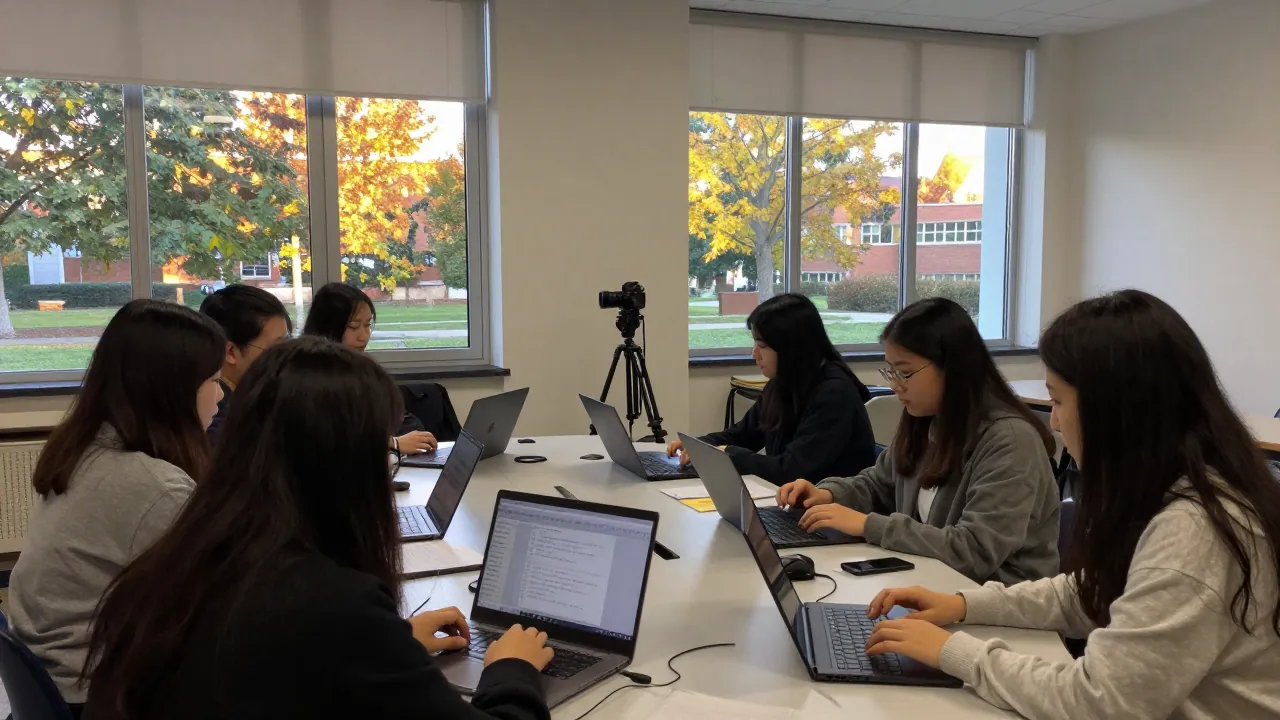
Wisems will run its first workshop season this fall, with three sessions between late September and early December. The series is open to women researchers and teachers working in sport economics, sport management and sport sociology, and it is built around the questions we heard most often in our first year of conversations with early-career scholars. Each session runs about two hours, mixes a short presentation with small-group work, and leaves time for people to keep talking after the formal part ends. Two sessions will be held online so that colleagues outside the US can join without travel. The third will be in person on a campus in the Midwest in November. Registration is free, and we are capping each session so that everyone gets a chance to speak. What we learned from our mentoring pairings shaped the format.
The season grew out of a simple observation. When we asked women in the field what would help them most, the answers were rarely about big conferences or long programmes. They were about a few hours of focused time with people who understand the same problems: how to present a paper so that reviewers notice it, how to interpret a citation count without letting it define a career, how to decide which parts of the job to say yes to. We built the workshops around those three questions.
The three sessions
| Session | Theme | Format and timing |
|---|---|---|
| One | Publication visibility and what shapes it | Online, late September, two hours |
| Two | Reading citation data without overreading it | Online, late October, two hours |
| Three | Role fit in teaching, research and service | In person, Midwest campus, November, half day |
The first session picks up themes from our work on why publication visibility matters in sport academia. We will look at how papers travel after they are published, what colleagues notice at congresses, and which small habits make a difference over a year rather than a week. Participants will leave with a short list of things to try on their next paper.
The second session is slower and more methodical. We will work through a set of citation records together and talk about what the numbers can and cannot tell us about a person's work. The goal is not to dismiss metrics but to use them with a clear head; our article on reading a citation count covers the groundwork we will build on.
The third session is the longest and the most practical. It brings together the strands from our fall conference presentation on role fit and turns them into an exercise. Participants will map their own mix of teaching, research and service, compare notes in small groups, and leave with one or two concrete changes to discuss with a mentor or department head.
Who the season is for
The workshops are aimed at women who are finishing a doctorate, working in a postdoctoral position, or in the first years of a teaching and research post. Established colleagues are welcome, and a few places in each session are set aside for people who want to help facilitate small-group discussion. We ask facilitators to join a short briefing a week beforehand so that the groups run consistently.
We wanted the first season to be small enough that nobody spends two hours listening. Three sessions, tight themes, and room for people to say what is actually going on in their department.
How to take part
Registration opens in early September and closes two weeks before each session, or earlier if the group fills. We keep a waiting list and will offer a second run of any session that fills quickly. There is no fee, and we do not ask for institutional affiliation to register. People who cannot attend on the day can ask for the reading notes afterwards; we send them to everyone who registered.
- Register for one session or all three; there is no requirement to attend the whole series.
- Tell us in the form which theme matters most to you, so we can balance the small groups.
- If you would like to help facilitate, note it on the form and we will follow up.
- Sessions are held in English; written materials are shared as plain documents.
We are also planning a short debrief after the season ends, where facilitators and a few participants review what worked. That review will feed into the next round of mentoring and into a guide we are drafting on planning a workshop that works for early-career women. If you have run something similar in your own department, we would like to hear about it.
What comes next
After the in-person session in November, we will post a plain summary of what participants raised, without names or identifying details, so that colleagues who could not join can still use the ideas. Dates, times and the registration form will appear on this site in the first week of September. In the meantime, questions can go to the programme team through the contact page, and we will answer them in the order they arrive.
Questions people ask
Do I need to attend all three workshops?
No. Each session stands on its own, and you can register for one, two or all three. The third session assumes some familiarity with the earlier themes, but we send a short background note to everyone who signs up.
Is there a fee or a membership requirement?
There is no fee and no membership. Registration is open to women researchers and teachers in sport economics, sport management and sport sociology, and we ask only for the information we need to plan the small groups.
What if a session fills before I register?
We keep a waiting list and contact people in order if places open. If a session fills quickly, we will look at running it a second time and will announce that on this site.