What We Learned From Our First Mentoring Pairings
Twenty-two pairs, one spring semester, and a format we are already changing: what worked, what did not, and what comes next for our mentoring rounds.
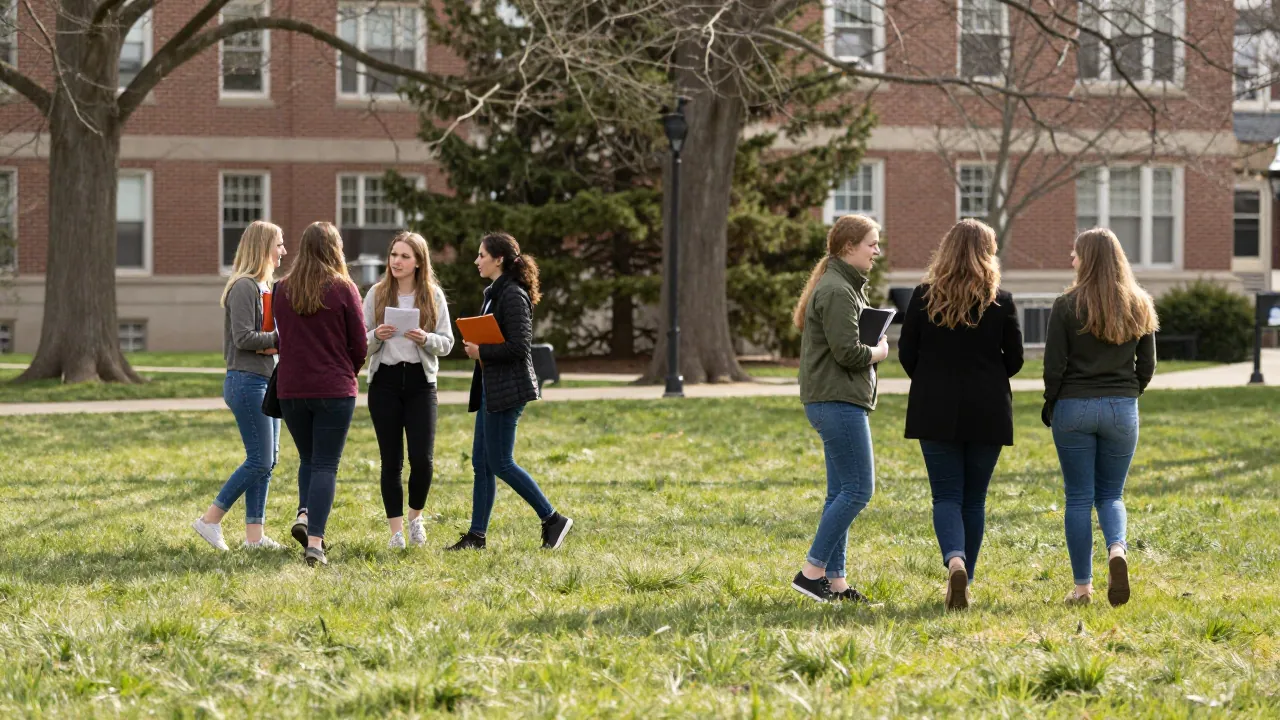
We opened our first mentoring round in January with more sign-ups than we had mentors for. Twenty-two pairs met at least three times between February and May, mostly online, with a few meeting on campus. We asked both mentors and mentees to fill out a short check-in after each conversation, and we read every response. The picture was clear: the pairs valued regular contact and concrete tasks, and struggled when goals were vague. We are adjusting the format for the next round, and we want to share what we saw first. If you are thinking about joining as a mentor or mentee, our fall workshop season is a good place to start.
How the first round was set up
We matched people by research area first, then by career stage. A mentee in sport economics was paired with a mentor from the same field where possible, and a mentee finishing a dissertation was paired with someone who had supervised or examined dissertations. We asked each pair to meet at least three times over four months and to keep a short log of what they discussed. We did not give a curriculum beyond a one-page list of suggested topics, because we wanted to see what pairs would do on their own.
About two-thirds of the pairs met online. Most of the rest met at their own institutions or at a regional workshop. We did not arrange any in-person events for the pairs, and in hindsight that was a missed chance for people to meet other pairs. The check-in forms were simple: five questions about what was useful, what was hard, and what they would change. We received 58 check-in forms from 22 pairs, which is more than two per pair on average.
What the pairs told us worked
The most common answer to "what was useful" was regular contact. Pairs that set a fixed day every two or three weeks met more often and reported more progress. Pairs that left meetings to chance tended to meet once and then drift. The second most common answer was a concrete task. Mentors who asked mentees to bring one paragraph, one abstract, or one paragraph of a cover letter gave the conversation something to work on and something to finish. As one mentor put it in a check-in form, "We stopped talking about the field in general and started talking about her next submission."
Mentees also valued hearing how their mentor handled the parts of academic life that are rarely written down: how to say no to a committee, how to ask for a co-author's feedback, how to decide which conference to attend. Several mentees said the most useful single conversation was about time, not about research. Mentors said the same. That is consistent with what we heard when we planned our workshops for early-career women: the practical questions come first.

Where the format fell short
The problems were as clear as the successes. First, vague goals. When a pair began with "let's see how it goes," they often met once and then cancelled. The pairs that wrote down two or three goals in the first meeting kept meeting. Second, schedules. Spring is a hard semester: teaching loads, hiring committees, and conference deadlines all hit at once. Four pairs met only twice, and two of those stopped after the first meeting. We are not counting those as failures; they are a sign that the format needs more structure, not more goodwill.
Third, we asked too little of mentors in the middle of the round. Mentors received an email in March, but no one checked in with them directly. A few said they would have liked a short call with another mentor to compare notes. Fourth, we did not ask about power differences. A mentee in her first year and a mentor who is a full professor may not say what they need to say in the first meeting. We will build in a short conversation about expectations at the start.
| Item | First round, spring | Next round, fall |
|---|---|---|
| Pairs | 22 | up to 30 |
| Meetings required | at least 3 | at least 4 |
| Check-ins | after each meeting | after each meeting plus a mid-point call |
| Written agreement | not used | one page, signed by both |
| Mentor group call | none | one in the middle of the round |
What we are changing for the next round
The next round opens in September and runs through December. We are making four changes. First, each pair will fill out a one-page agreement in the first meeting: two or three goals, a meeting schedule, and how they will give feedback. Second, we will ask for four meetings instead of three. Third, we will hold one group call for mentors in the middle of the round, with no agenda beyond swapping what is working. Fourth, we will send a short mid-point check-in to both people, not just the mentee.
We are also keeping what worked. The suggested topics list stays, and we will add a short section on time and boundaries, since that came up so often. The check-in form stays short. And we will keep the rule that pairs decide their own goals; our job is to give them a structure, not a syllabus. If you are curious how a mentoring relationship can grow over years, one researcher's path from student to mentor is a useful read.
What comes next
We will report back after the fall round with the same kind of plain numbers: how many pairs, how many meetings, what they said. We are not trying to build a large programme. We are trying to make a small one work well. If you are a woman in sport economics, sport management, or sport sociology and you want a mentor, or if you are willing to be one, the sign-up form will open in August. In the meantime, you can read about why publication visibility matters and how we are presenting role-fit findings at a fall conference. We will also be at several conference sessions this fall; watch this space for dates.
Questions people ask
Who can join the mentoring round?
Women researchers and teachers in sport economics, sport management, and sport sociology who are based in the US. We match by research area and career stage. Mentors can be at any career stage beyond the mentee's.
How much time does mentoring take?
Plan on four meetings of about 45 minutes over four months, plus a short check-in form after each. Mentors also join one group call in the middle of the round.
What if my mentor and I do not click?
Tell us. We will help you reset the goals or, if needed, arrange a different pairing. A poor match is not a failure; it is information we can use.